


Greening Relevance in Operations in Western-Balkan Tertiary-Education Habitats – GROWTH – 101083212

Capacity building in the field of higher education (ERASMUS-EDU-2022-CBHE)
Duration of the project: 01.01.2023. – 31.12.2026.
Link: growth.ubn.rs.ba
Partners
| Bosnia and Herzegovina | BE 001 | University of Bijeljina |
| BE 002 | University of Herzegovina | |
| BE 003 | University College CEPS Kiseljak | |
| Montenegro | BE 004 | Adriatic University Bar |
| BE 008 | Socioeconomic Center of Montenegro | |
| Serbia | BE 005 | Academy of applied preschool teaching and health studies |
| Germany | BE 006 | HOCHSCHULE WEIHENSTEPHAN-TRIESDORF |
| Slovakia | BE 007 | Slovak University of Agriculture in Nitra |
General objective
| NARRATIVE SUMMARY OF THE INTERVENTION LOGIC | OBJECTIVELY VERIFIABLE INDICATORS | MEANS OF VERIFICATION | IMPORTANT ASSUMPTIONS AND PREREQUISITES |
| Goal (general objective)
To assist Western Balkans green transition efforts |
1) Evidence of green transition mechanisms in place at Uni campuses until 2025
2) Evidence of green learning culture and support provision at HEIs 3) Students and staff indicate overall satisfaction with the introduced transformation measures |
1) Partner HEIs annual reports, external evaluation report
2) Optimized Partner Green services and mechanism on Campus progress evaluations, external evaluation, partner HEIs self-evaluation reports |
Green Agenda and EU Green Deal remain highly in political agendas of Western Balkans potential candidate and candidate states |
Specific objectives
| NARRATIVE SUMMARY OF THE INTERVENTION LOGIC | OBJECTIVELY VERIFIABLE INDICATORS | MEANS OF VERIFICATION | IMPORTANT ASSUMPTIONS AND PREREQUISITES |
| Purpose (specific Objectives)
SO1) To make higher education and research in the Western Balkans more environmentally conscious SO2) To introduce green education methodologies and practices in 4 partner higher education institutions |
SOin1.1) Number of measures introduced at HEIs to support green transition in 2 partner countries (20)
SOin1.2) Number of managements, teaching and non-teaching staff (120-150) improved competencies on green transition and HEIs role in the process SOin1.3) Number of partners HEIs implemented the principles of green transition (4) SOin2.1) Number of partners HEIs optimized their working environment and learning tools and equipment (4) SOin2.2) Number of partners HEIs adopted institutional policies ensuring green transition (4) SOin2.3) Number of ToT teams created at partner HEIs (4) and number of trained teaching staff (48) |
SOin1.1) external evaluation report
SOin1.2) External evaluation report SOin1.3) Partner HEIs annual reports SOin2.1) Partner HEIs websites, external evaluation report SOin2.2) Partner HEIs annual reports SOin2.3) Partner HEIs annual reports |
Assumption:
All HEIs leaders in the Western Balkans understand the needs for greening their campuses and buildings Assumption: All HEIs are ready to promote their success stories with local, national and transnational stakeholders and counterparts |
Outdoor classroom - a new learning experience at the Faculty of Management
The Herceg Novi Faculty of Management has successfully implemented one of the activities within the innovative ERASMUS+ project GROWTH, the goal of which was to improve the learning environment by implementing outdoor classrooms. This project allowed students to experience a new approach to teaching, where the idea is to hold lectures in a natural environment, which creates a dynamic and stimulating atmosphere. Through this project, students had the opportunity to participate in an educational process that is not only educational, but also ecologically strengthened, because contact with nature and active learning are promoted.
The outdoor lecture space was designed to offer a comfortable environment that encourages creativity, interaction and teamwork among students.
The lecture was attended by first-year students, who in this new atmosphere showed a high level of engagement and desire to learn. Outdoor teaching provided a refreshing change from the traditional classroom, allowing students to integrate nature into their educational process.
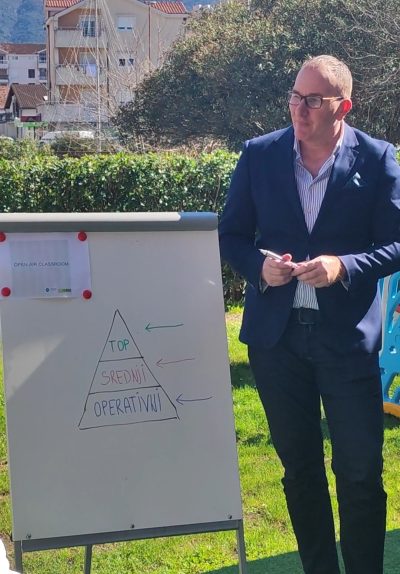
At the end of the activity, a survey was conducted among the students to gather feedback on their experience. The results of the survey showed that students were extremely satisfied with this method of teaching, emphasizing how this approach helped them feel more motivated and engaged in the learning process.
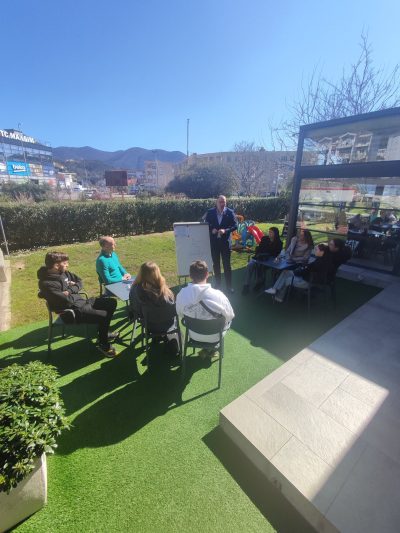
The Faculty of Management Herceg Novi continues to implement innovative methods in education, introducing new and creative ways to provide students with better quality and more interesting learning. By introducing outdoor classrooms, the Faculty confirms its commitment to creating a modern educational environment that is in line with modern trends and the needs of students.
Strategy towards a green and sustainable FMHN University
The strategy "Towards a green university" of the Faculty of Management Herceg Novi defines the vision of long-term development through sustainable infrastructure, green practices and strengthening environmental awareness in the academic community.
The document emphasizes reducing the environmental footprint of the faculty through energy efficiency, digitalization and an improved waste management system. Special emphasis is placed on integrating the principles of sustainable development into teaching, research and student initiatives, while strengthening cooperation with the local community and international partners.
The strategy aims to create an environmentally aware academic community that actively contributes to the development of the green economy and the improvement of social responsibility.
You can view the entire Strategy at the link: "Towards a green university"
FMHN actively participates in the GROWTH project - Together towards greener universities
The Faculty of Management in Herceg Novi, together with partners from the European Union and the Western Balkans, participates in the international project GROWTH (Greening Relevance in Operations in Western Balkans Tertiary Education
Habitats), whose goal is to improve environmental awareness, develop sustainable practices and support the green transition in higher education.
The project is financed by the European Union and brings together higher education institutions from Bosnia and Herzegovina, Serbia, Montenegro and the European Union, with the intention of laying the foundations of sustainable university campuses aligned with the EU's vision of climate neutrality by 2050 through cooperation, knowledge exchange and the development of green policies.
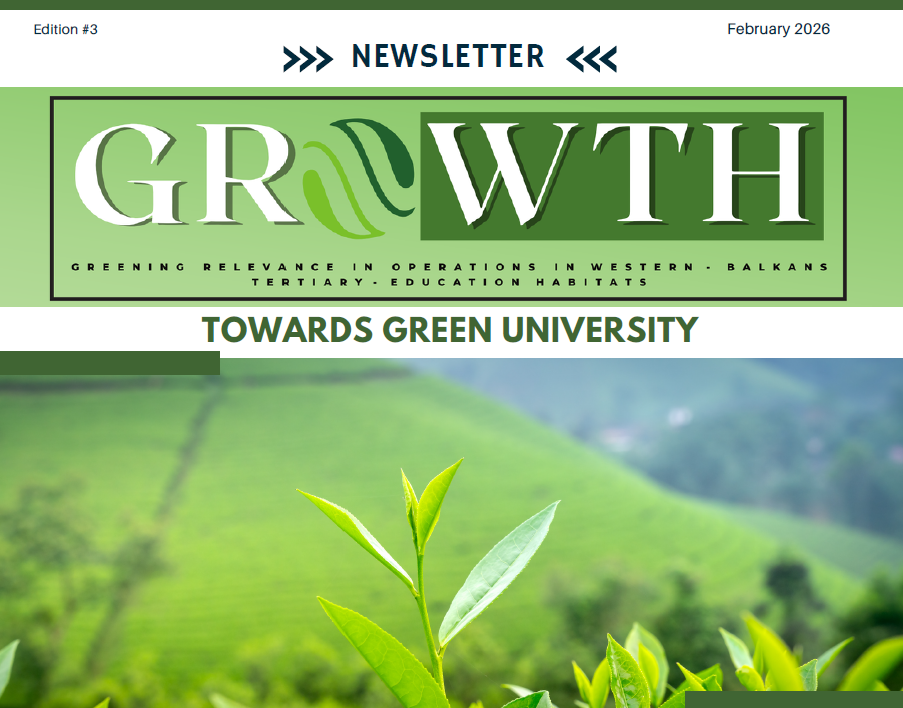
You can view the final Newsletter at the following link: GROWTH Newsletter
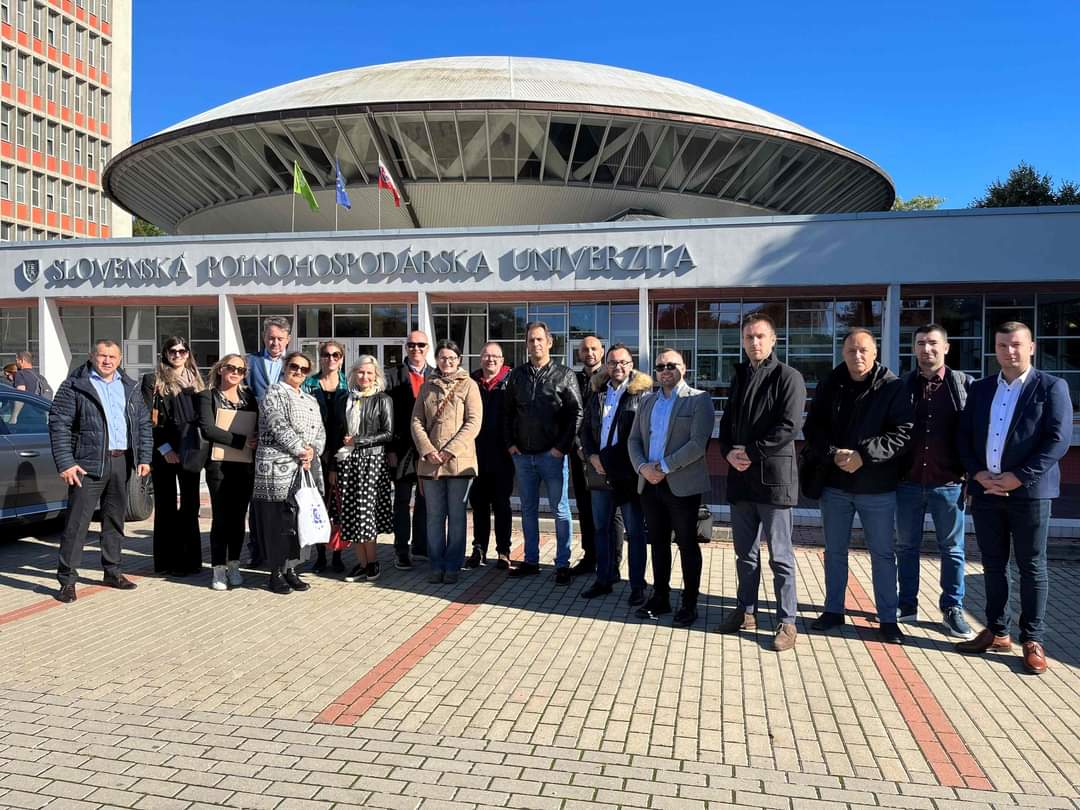
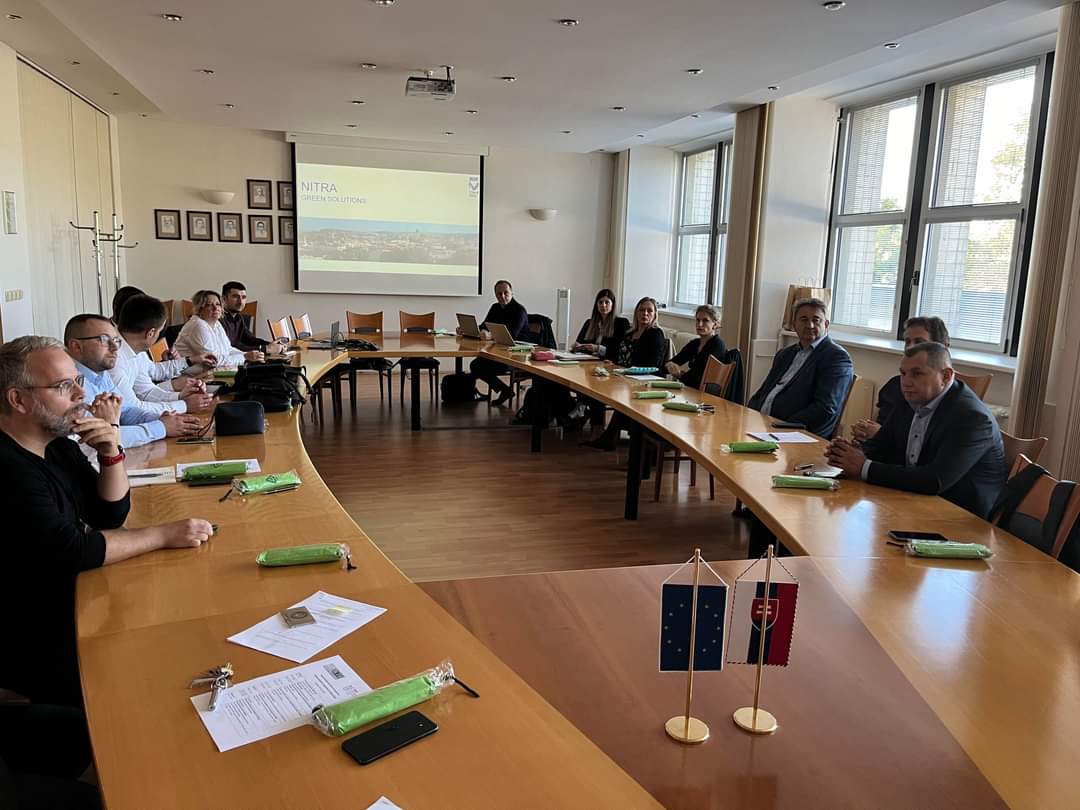
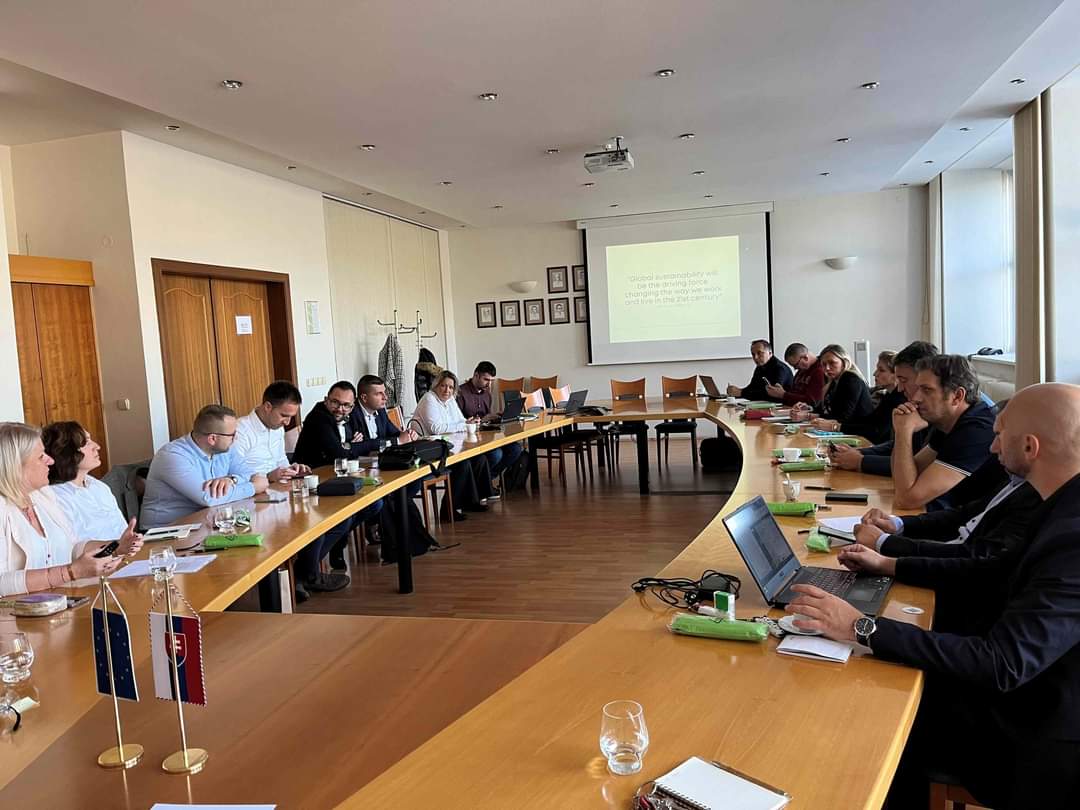
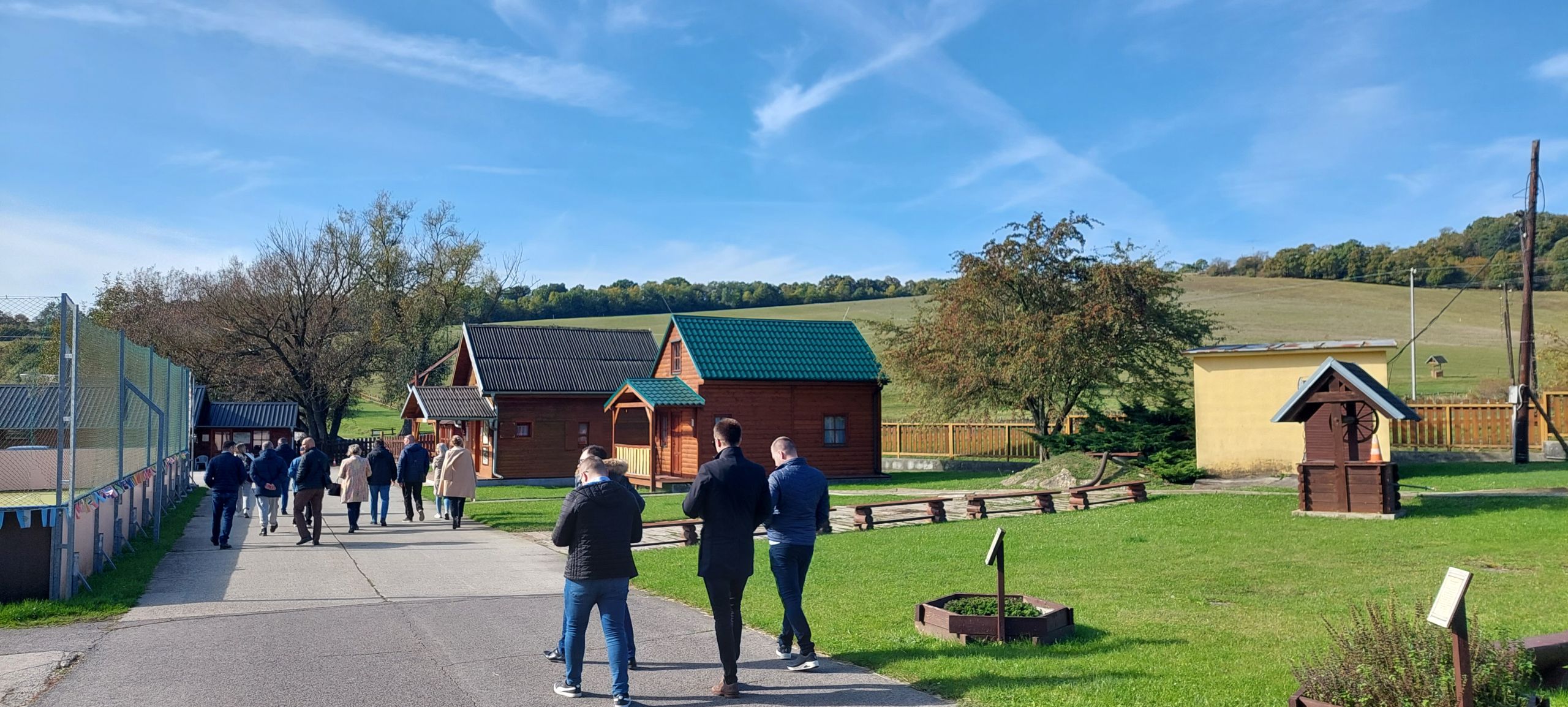
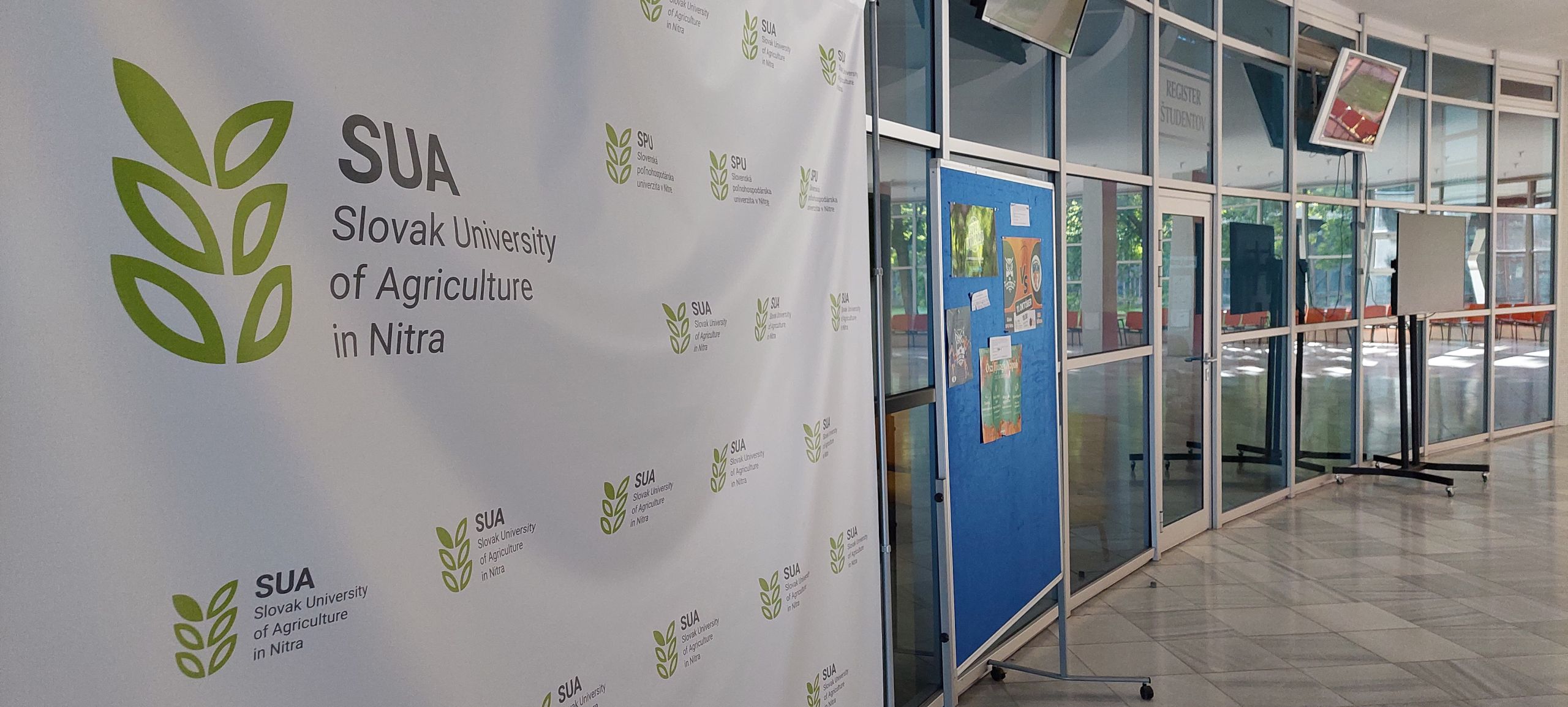
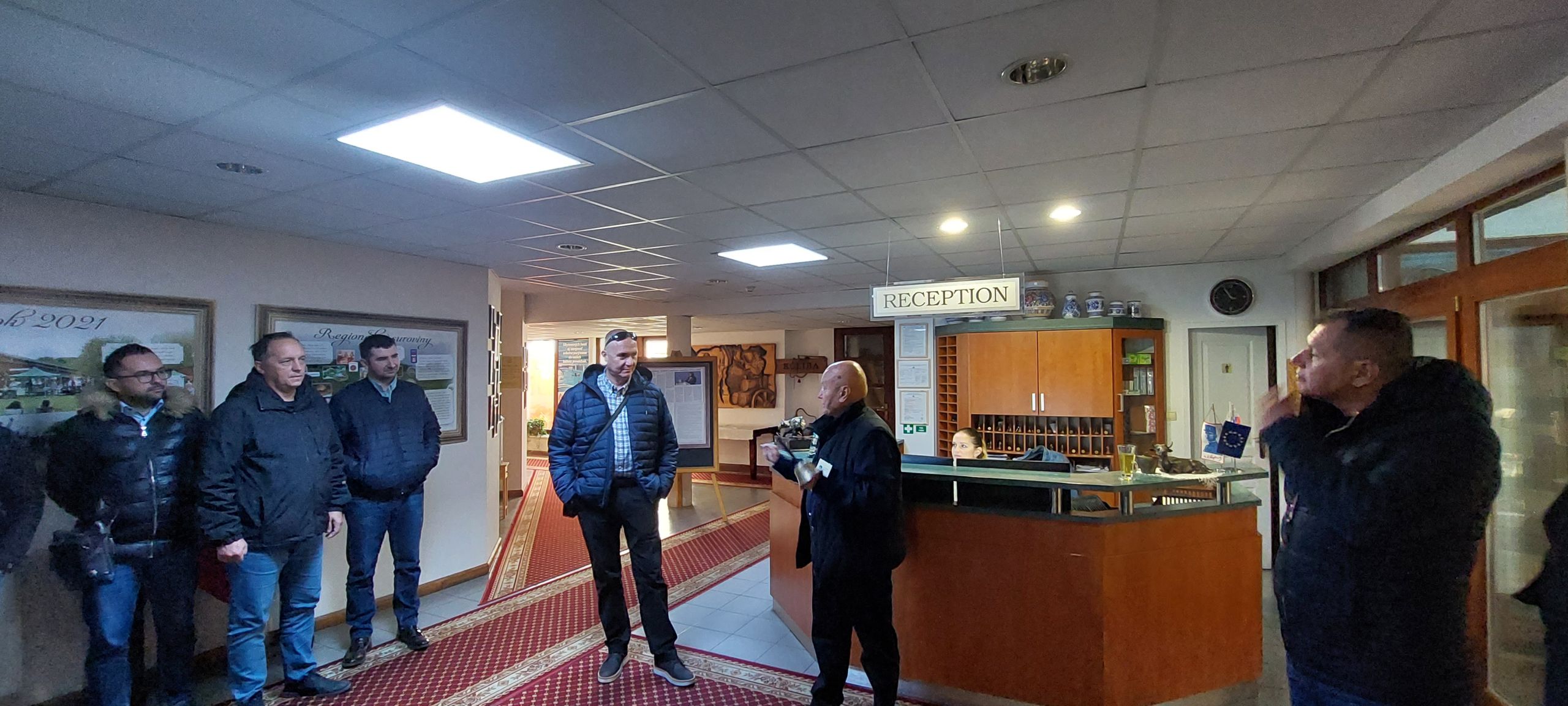
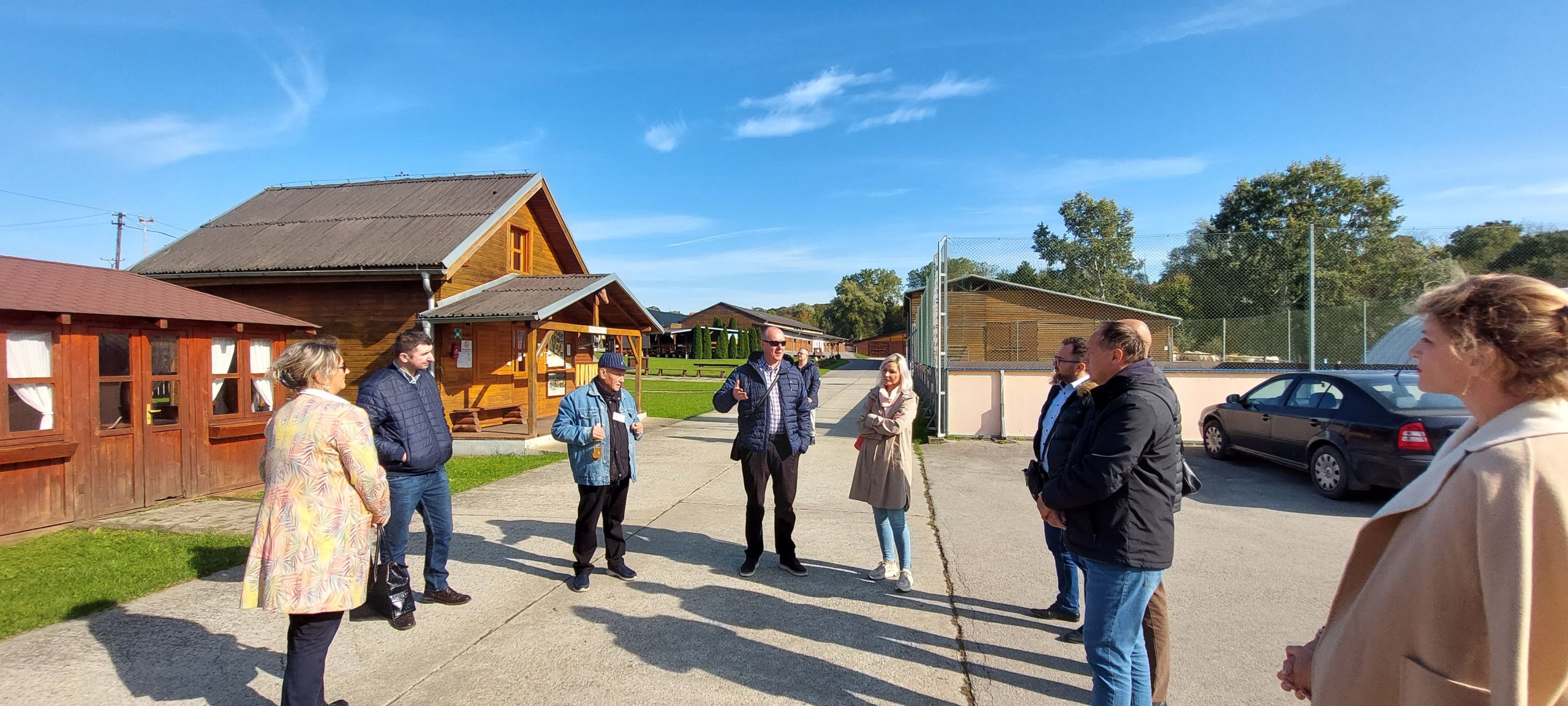
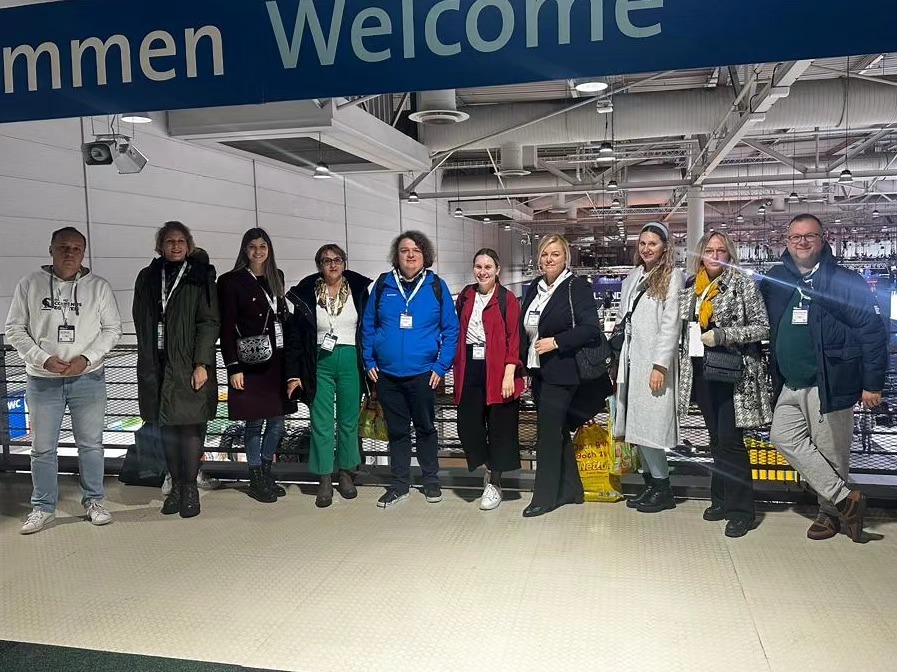
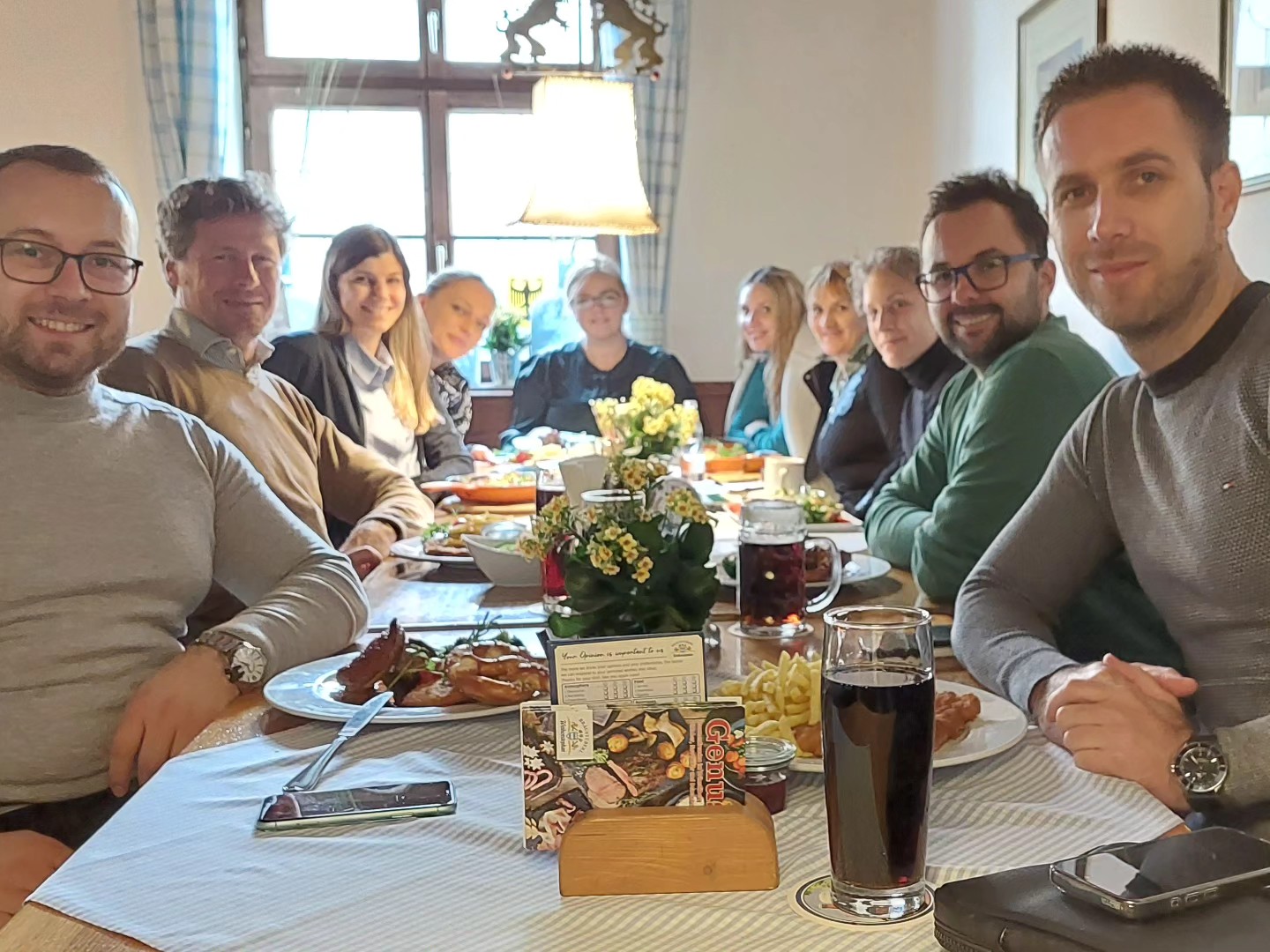
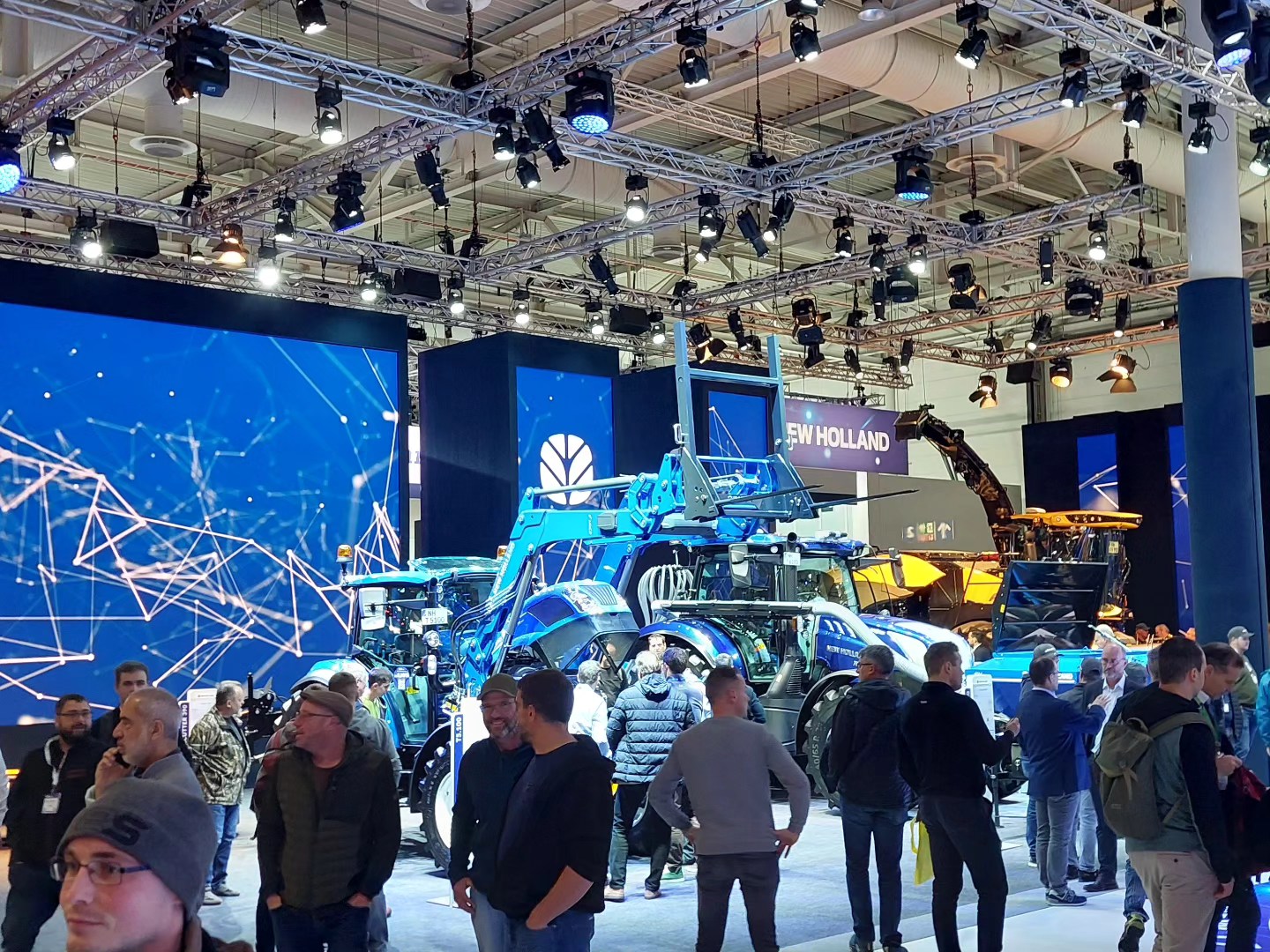
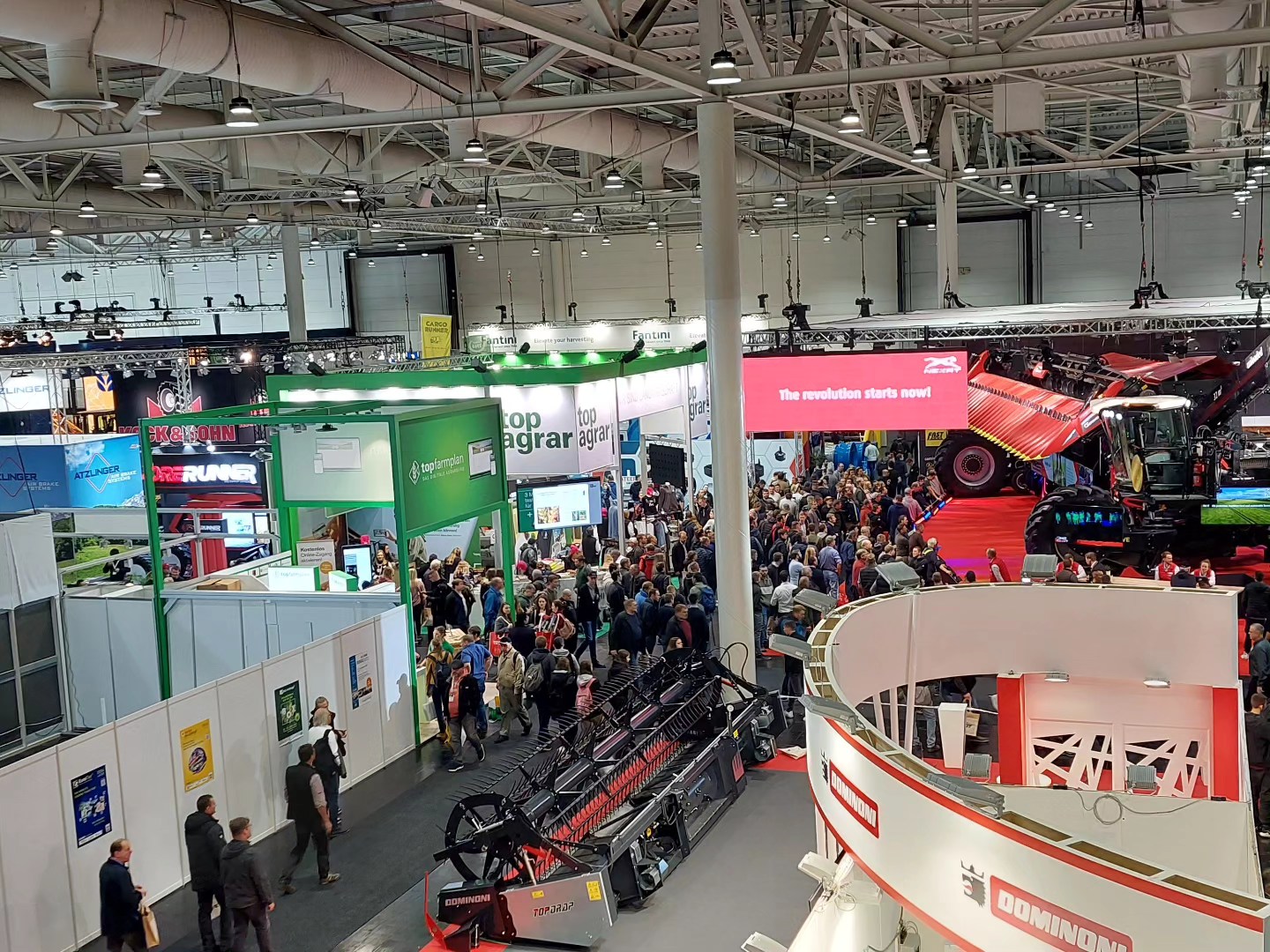
GROWTH Erasmus+ project meeting in Slovakia
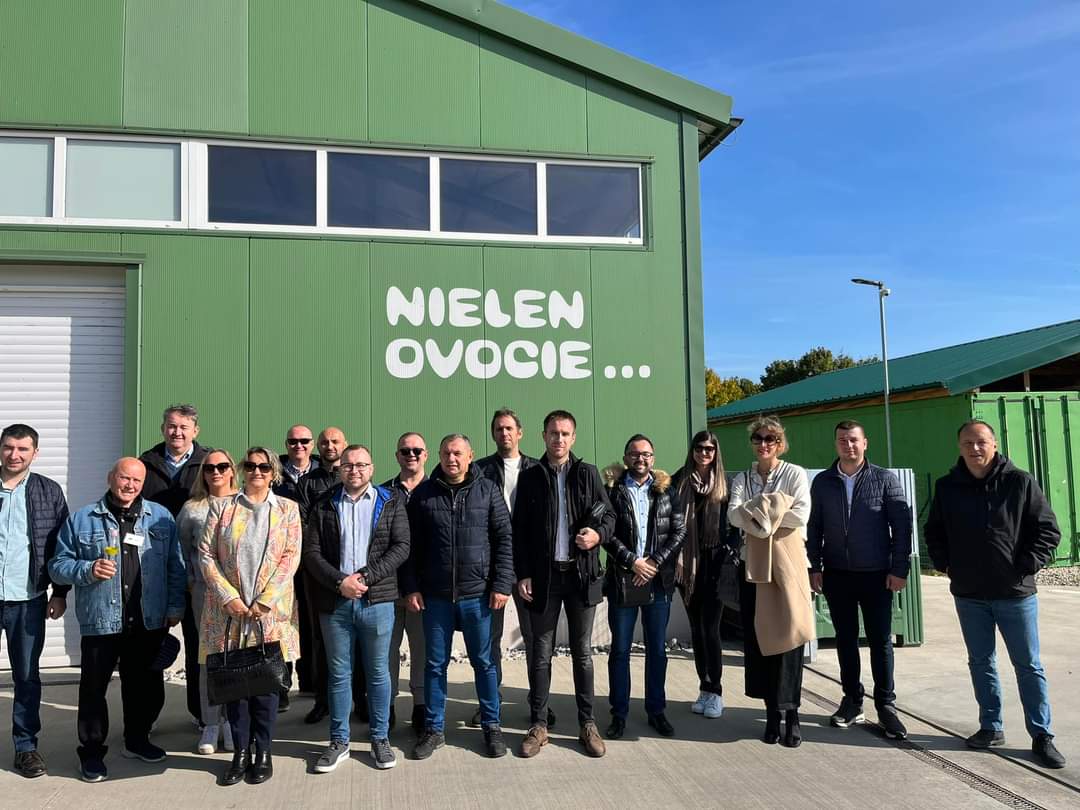
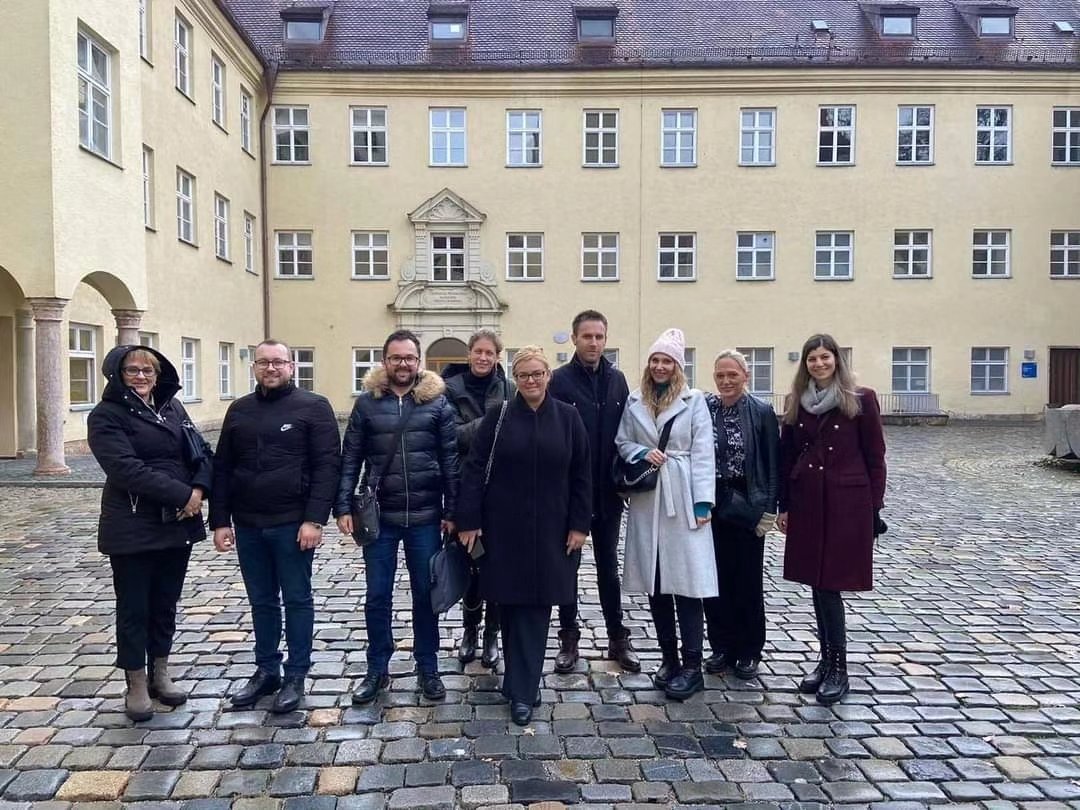
GROWTH Erasmus+ project meeting in Germany
Video tutorial for teachers: environmentally friendly forms of teaching
Within the Erasmus+ project GROWTH, a video tutorial was created for teachers that covers the topic of creating environmentally friendly forms of teaching and approaching the topic of green practices from the point of view of innovative and ecological methods. The tutorial was created in English, with subtitles in Bosnian and Montenegrin. The video is available as an open resource
on the project website.
You can watch the video tutorial at the following link:
https://www.veed.io/view/81fde
A brief overview of the policy "Towards a green university"
Policy Brief "Towards a Green University" presents a strategic framework for higher education institutions (HEIs) in the Western Balkans to develop and implement green policies with an emphasis on sustainability in higher education operations. The document, financed through the Erasmus program within the GROWTH project, aims to raise awareness of the importance of integrating sustainability into the basic functions of the Higher Education Institution. This document discusses the global urgency of climate change, in line with the European Green Deal and the United Nations Sustainable Development Goals.
The report analyzes current trends and practices in sustainability in higher education, promoting a holistic approach that encompasses governance, curriculum, research and day-to-day operations. It highlights the need for comprehensive green metrics to measure development and effectiveness in sustainability efforts, such as energy management, waste reduction and sustainable transportation.
Finally, it is concluded that a successful transition to the green university model requires dedicated leadership, effective communication and cultural changes among stakeholders. By prioritizing sustainability, HEIs in the Western Balkans can significantly contribute to preserving the environment and promoting a climate-neutral future.
Policy brief "Towards a green university"
Policy brief "Towards a green university"